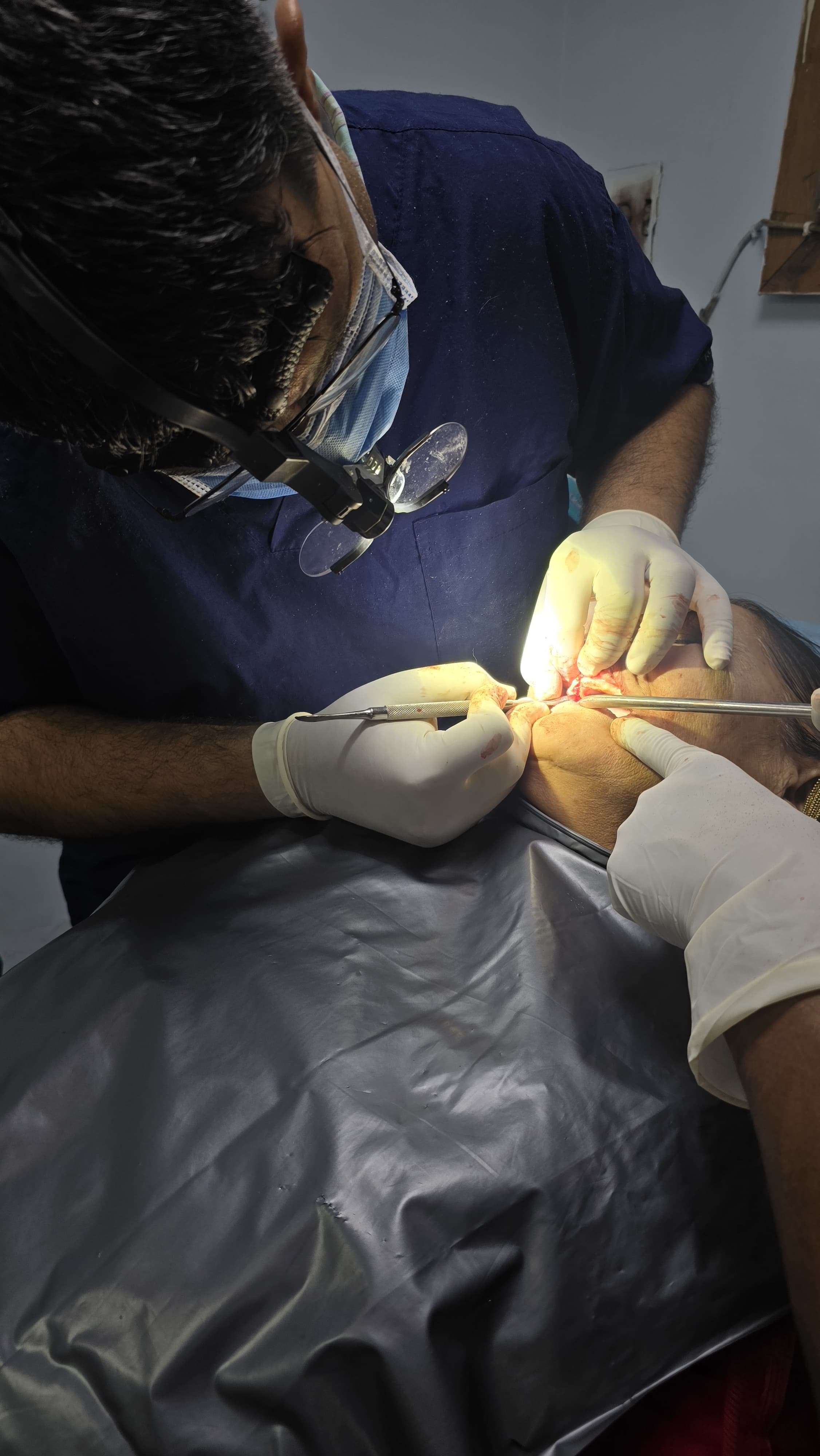
Dental implants replace missing teeth with a titanium root and a crown. This guide covers candidacy, the 3–6 month timeline, and aftercare for patients in Jaipur. Treatment here is planned by Dr. Alok Bhardwaj, MDS Oral and Maxillofacial Surgery and Fellow of the Academy of Oral Implantology – India, Head of Dental at Eternal Hospital. See implant services or clinic locations.
What Are Dental Implants?
A dental implant is a small titanium post that is surgically placed into the jawbone, where it acts as a replacement for the root of a missing tooth. Once the implant has fused with the bone — a process called osseointegration — a custom-made crown is attached to restore the visible part of the tooth.
The result is a strong, stable, and natural-looking tooth replacement that can last a lifetime with proper care.
Who Is a Good Candidate?
Most adults with good general health are candidates for dental implants. Ideal candidates have:
- Healthy gums free of periodontal disease
- Sufficient jawbone density to support the implant
- Good oral hygiene habits
- No medical conditions that could impair healing (uncontrolled diabetes, heavy smoking, etc.)
If you don't have enough bone density, bone grafting may be recommended to build up the jawbone before implant placement.
The Dental Implant Procedure: Step by Step
Step 1: Initial Consultation
Your journey begins with a thorough evaluation. Dr. Alok will examine your teeth and gums, take digital X-rays or a 3D CT scan, and discuss your goals. This is the time to ask questions and understand the timeline, cost, and expected outcomes.
Step 2: Treatment Planning
Based on your evaluation, a custom treatment plan is created. This plan details the number of implants needed, whether bone grafting is required, and the overall timeline.
Pro tip: Be honest about your medical history and any medications you're taking. This helps me plan a safe and effective treatment tailored to you.
Step 3: Implant Placement
On the day of surgery, the implant is placed into the jawbone under local anaesthesia. The procedure is typically comfortable, and most patients report only minor discomfort afterwards. The implant is then left to heal and integrate with the bone for several months.
Step 4: Osseointegration (Healing)
During this healing period, the implant fuses with the jawbone. This process takes 3 to 6 months on average. A temporary crown or bridge may be placed to maintain appearance and function while you heal.
Step 5: Abutment Placement
Once the implant is fully integrated, a small connector called an abutment is attached to the implant. This serves as the foundation for your new crown. A short, minor procedure may be needed to expose the implant and place the abutment.
Step 6: Crown Placement
Finally, a custom-made crown that matches the colour, shape, and size of your natural teeth is attached to the abutment. Your new tooth will look and function just like the real thing.
Benefits of Dental Implants
- Natural appearance — they look and feel like your own teeth
- Permanent solution — with proper care, implants can last a lifetime
- Preserve bone — implants stimulate the jawbone, preventing bone loss
- No damage to adjacent teeth — unlike bridges, implants don't rely on neighbouring teeth for support
- Improved function — eat, speak, and smile with confidence
Recovery and Aftercare
After implant placement, you may experience mild swelling, bruising, or discomfort for a few days. Over-the-counter pain relievers and cold compresses usually suffice. Most patients return to normal activities within 1–2 days.
Long-term care is simple — treat your implant like a natural tooth. Brush twice a day, floss regularly, and visit me for routine checkups every six months.
Remember: An implant can still develop gum disease if not cared for properly. Regular professional cleanings and good home care are essential for long-term success.
Are dental implants painful?
The procedure is performed under local anaesthesia, so you will not feel pain during surgery. Most patients describe the recovery as mild and manageable for a few days.
How long do implants last?
With daily brushing, flossing, and checkups, implants can last 20+ years or a lifetime. They still need gum care, the same as natural teeth.
What is the success rate?
When planned with adequate bone and hygiene, dental implants have a success rate over 95%.
How much do dental implants cost in Jaipur?
Cost depends on the number of implants, grafting, and crown type. You get an itemised estimate at consultation before any surgery. Book via services or WhatsApp consult.
Final thoughts
Implants are a surgical treatment, not a product. Credentials for Dr. Alok match the Bhardwaj Dental Centre team listing: BDS Davangere, MDS Oral and Maxillofacial Surgery at MGM Navi Mumbai, FAOI fellow.